

How Ductless Mini-Split Systems Work In Residential Spaces
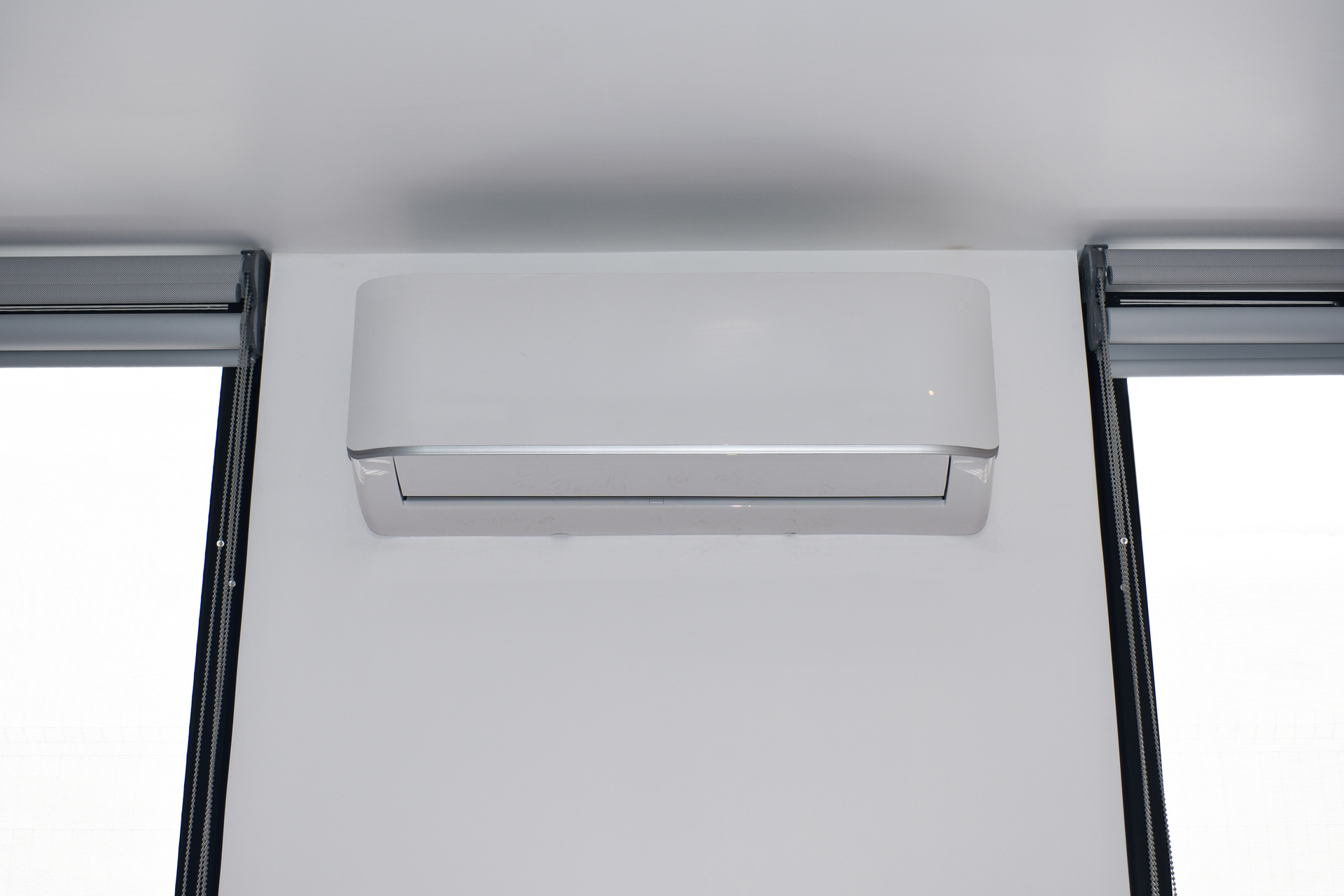

Ductless mini-split systems provide flexibility because they can heat and cool individual spaces without relying on traditional ductwork”
SLIDELL, LA, UNITED STATES, June 26, 2026 /EINPresswire.com/ -- Understanding How Ductless Mini-Split Systems Operate In Residential Environments— Jennifer Lingo
Ductless mini-split systems have become an increasingly common heating and cooling option for residential properties due to their flexibility and ability to provide temperature control without relying on traditional ductwork.
As homeowners explore different HVAC solutions for new construction, home additions, renovations, and specific comfort challenges, mini-split systems continue to receive attention for their unique design and operating characteristics.
Unlike conventional central air conditioning systems that distribute conditioned air through a network of ducts, ductless mini-split systems use individual indoor units connected directly to an outdoor condenser. This configuration allows conditioned air to be delivered directly into designated areas of a home.
The basic design of a mini-split system includes two primary components. An outdoor unit contains the compressor and condenser, while one or more indoor air-handling units are mounted inside the home. Refrigerant lines, electrical wiring, and a condensate drain connect the indoor and outdoor components through a small opening in an exterior wall.
The system operates using principles similar to many traditional air conditioning systems. During cooling mode, heat is removed from indoor air and transferred outdoors. During heating mode, many mini-split systems utilize heat pump technology, allowing heat energy to be transferred into the home even during cooler weather conditions.
One of the defining characteristics of ductless mini-split systems is zone-based temperature control. Individual indoor units can typically be adjusted independently, allowing different areas of a home to maintain different temperature settings.
This capability can be particularly useful in residences where occupants have varying comfort preferences or where certain rooms experience different heating and cooling demands throughout the day.
Home additions often represent a common application for ductless systems. When a room is added to an existing structure, extending ductwork from a central HVAC system may not always be practical. A mini-split system can provide heating and cooling to the new space without requiring significant modifications to the original system.
Garages, workshops, sunrooms, bonus rooms, converted attics, and detached structures are also locations where mini-split systems are frequently installed. These spaces may require independent climate control while remaining separate from the primary HVAC system serving the home.
Older homes can also present challenges related to duct installation. Historic properties and homes constructed before central air conditioning became widespread may not have existing ductwork. Installing ducts in these structures can sometimes involve significant construction work. Ductless systems provide an alternative approach that requires less structural modification.
Mini-split technology has evolved considerably in recent years. Many systems now incorporate inverter-driven compressors that adjust output based on changing temperature demands. Rather than operating at a fixed speed, these compressors can increase or decrease activity as conditions change.
This variable operation allows systems to respond more gradually to temperature fluctuations and maintain more consistent indoor comfort levels.
Indoor air quality considerations may also influence interest in ductless systems. Because conditioned air is delivered directly from the indoor unit, duct-related issues such as leakage, deterioration, or contamination are not factors within the system itself. Regular cleaning and maintenance of filters and equipment remain important to support proper operation.
Installation requirements vary depending on the size of the home, the number of indoor units, insulation levels, window placement, occupancy patterns, and local climate conditions. Proper system sizing remains an important consideration when evaluating any HVAC equipment.
Climate conditions throughout Louisiana and Mississippi create unique demands on residential cooling systems. High temperatures, elevated humidity levels, and extended cooling seasons often require equipment capable of operating efficiently over long periods.
Many modern mini-split systems are designed to address both cooling and heating needs, making them suitable for year-round use in a variety of residential environments.
Maintenance requirements generally include cleaning or replacing filters, inspecting refrigerant lines, checking electrical connections, and ensuring proper drainage. Routine inspections can help identify potential issues before they affect system performance.
As homeowners continue evaluating heating and cooling options, understanding how different systems operate can assist in making informed decisions regarding comfort, efficiency, and application suitability.
According to Jennifer Lingo of LOUMIS Air, ductless mini-split systems have become an important option for homeowners seeking targeted climate control in specific areas of a residence.
“Ductless mini-split systems provide flexibility because they can heat and cool individual spaces without relying on traditional ductwork,” said Lingo. “Many homeowners consider these systems when addressing comfort concerns in additions, converted spaces, older homes, or rooms that experience different temperature conditions than the rest of the house.”
Industry professionals note that no single HVAC solution is appropriate for every application. Factors such as home design, building age, occupancy patterns, insulation performance, and climate conditions all influence equipment selection.
As residential construction and renovation trends continue evolving, ductless mini-split systems are expected to remain part of the broader conversation surrounding home comfort technologies. Their ability to provide independent temperature control and operate without traditional duct systems continues to make them a consideration for a variety of residential heating and cooling applications.
About LOUMIS Air
LOUMIS Air provides residential and commercial HVAC services throughout Louisiana and Mississippi. Services include heating and cooling system installation, maintenance, repairs, indoor air quality solutions, ductwork services, and related HVAC support for residential and commercial properties.
Morgan Thomas
Rhino Digital, LLC
+1 504-875-5036
email us here
Visit us on social media:
Facebook
Legal Disclaimer:
EIN Presswire provides this news content "as is" without warranty of any kind. We do not accept any responsibility or liability for the accuracy, content, images, videos, licenses, completeness, legality, or reliability of the information contained in this article. If you have any complaints or copyright issues related to this article, kindly contact the author above.
