

Structural Factors Shape the Design and Performance of Business Awning Systems
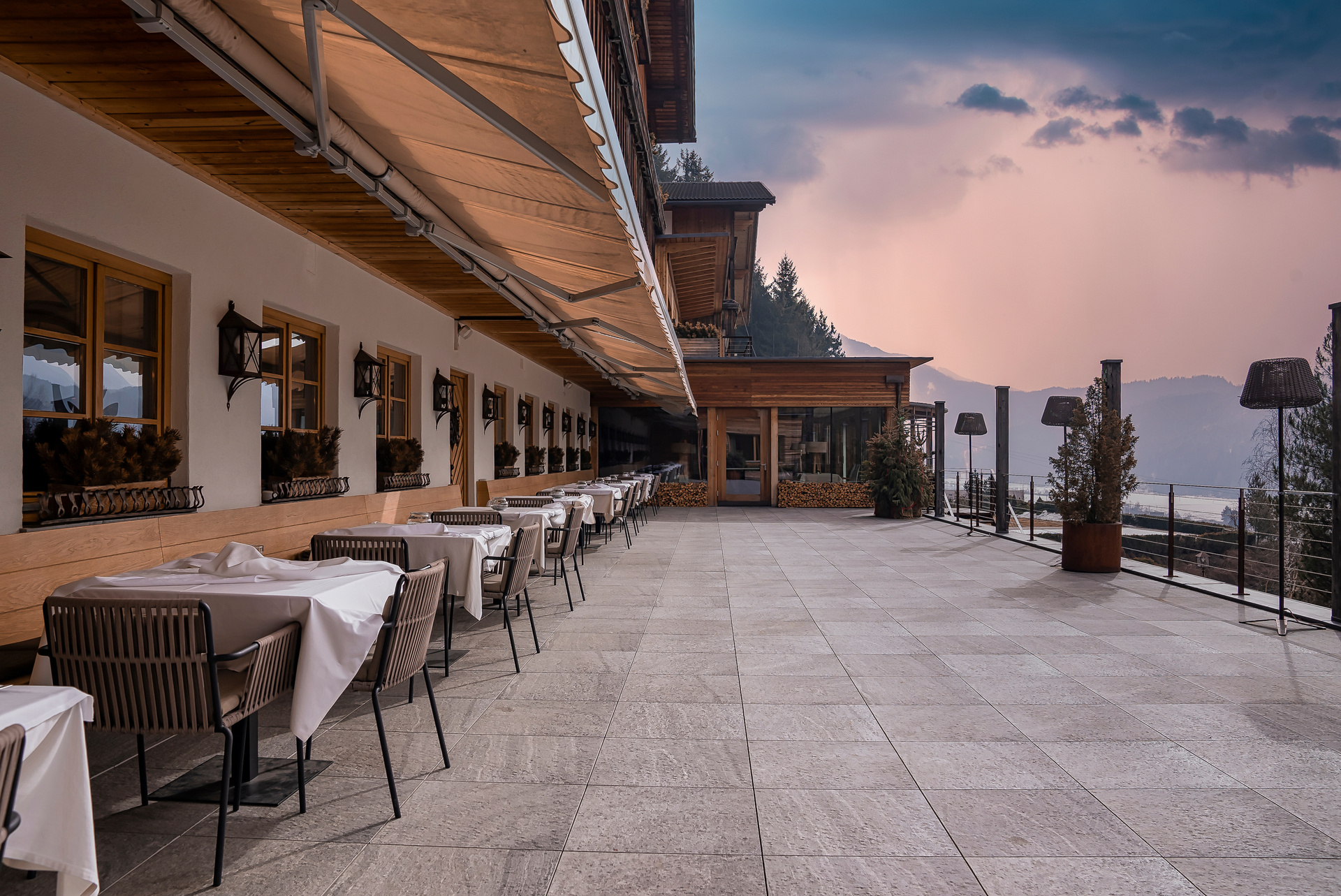

An awning has to be built with the conditions around it in mind”
BATON ROUGE, LA, UNITED STATES, May 1, 2026 /EINPresswire.com/ -- Business awnings serve both functional and architectural roles, but their performance depends heavily on structural considerations that are addressed during design and installation. From load-bearing capacity to environmental exposure, awning systems must be engineered to align with the specific conditions of each building.— Michael Matthews
Awnings are typically installed to provide shade, protect entrances, and enhance exterior appearance. While these purposes are visible, the underlying structure determines how effectively the awning performs over time. Improper structural planning can lead to issues such as sagging, detachment, or accelerated wear.
The first consideration in awning design is the structure of the building itself. Wall composition, attachment points, and load-bearing capacity must be evaluated before installation. Materials such as concrete, brick, steel, and wood each require different anchoring methods. Ensuring that the mounting surface can support the awning is essential for long-term stability.
Load calculations are a critical part of the design process. Awnings are exposed to wind, rain, and, in some regions, accumulated debris or snow. These forces create stress on both the frame and the mounting points. Engineers must calculate expected loads and design the system to withstand those conditions without failure.
Wind resistance is particularly important in areas prone to storms or strong seasonal weather. Awnings can act as surfaces that catch wind, increasing the force applied to the structure. Proper bracing, frame design, and secure anchoring help distribute these forces and reduce the risk of damage.
According to Michael Matthews, President and Chief Executive Officer of Awning World in Baton Rouge, Louisiana, structural planning is essential to awning performance. “An awning has to be built with the conditions around it in mind,” said Matthews. “The structure behind the fabric determines how well it holds up over time.”
Frame construction plays a central role in durability. Awnings are typically supported by metal frameworks made from aluminum or steel. These materials are selected for their strength and resistance to environmental exposure. The design of the frame must balance rigidity with flexibility, allowing the structure to absorb movement without compromising integrity.
Fabric or covering materials are attached to the frame, but their performance is influenced by how well the structure supports them. Tension must be evenly distributed to prevent sagging or pooling of water. Uneven tension can lead to premature wear and reduce the effectiveness of the awning.
Drainage is another important consideration. Awnings must be designed to allow water to run off efficiently. Flat or improperly angled surfaces can collect water, increasing weight and placing additional stress on the structure. Proper pitch ensures that water is directed away from the awning and the building.
Attachment methods vary depending on the building and awning type. Mechanical fasteners, brackets, and support arms are used to secure the structure in place. Each component must be properly sized and installed to handle the expected load. Weak attachment points can compromise the entire system.
Environmental exposure affects both structural components and materials. In regions with high humidity, corrosion resistance becomes a priority. Protective coatings and material selection help reduce the impact of moisture and extend the lifespan of the structure.
Sun exposure also influences material performance. Prolonged exposure to ultraviolet radiation can affect both fabric and structural components. Materials are selected to withstand these conditions while maintaining their functional properties.
Maintenance plays a role in preserving structural integrity. Regular inspections help identify loose fasteners, frame deformation, or fabric wear. Addressing these issues early prevents more significant problems and supports continued performance.
Customization is often required to align awning design with building architecture. Size, shape, and projection must be adjusted to fit the structure while maintaining proper support. Larger awnings require additional reinforcement to manage increased load.
Retractable awning systems introduce additional structural considerations. These systems include moving components that must operate smoothly while maintaining stability. The supporting structure must accommodate both the extended and retracted positions without compromising performance.
Installation quality directly impacts how well an awning performs. Even a well-designed system can encounter issues if installation does not follow proper procedures. Alignment, anchoring, and tensioning must all be executed with precision to ensure that the structure functions as intended.
Coordination between design professionals and installers helps ensure that structural requirements are met. Clear communication of load calculations, material specifications, and installation methods supports a cohesive approach to awning construction.
As commercial buildings continue to incorporate exterior features that serve both functional and aesthetic purposes, structural considerations remain central to their success. Awnings, while often viewed as surface elements, rely on underlying engineering to perform reliably in varying conditions.
The relationship between structure and design underscores the importance of planning in awning installation. By addressing load, attachment, and environmental factors, awning systems can support building function while maintaining structural stability over time.
Morgan Thomas
Rhino Digital, LLC
+1 504-875-5036
email us here
Visit us on social media:
Facebook
Legal Disclaimer:
EIN Presswire provides this news content "as is" without warranty of any kind. We do not accept any responsibility or liability for the accuracy, content, images, videos, licenses, completeness, legality, or reliability of the information contained in this article. If you have any complaints or copyright issues related to this article, kindly contact the author above.
